


What Is the Medical Purpose of Gum Contouring?
- Taimoor Tahir
- Mar 13
- 4 min read

A healthy smile depends on more than bright teeth alone—gum shape and balance also play an important role in both oral function and appearance. Gum contouring Dubai has become a commonly discussed dental procedure among people who want to improve uneven gum lines, address excess gum tissue, or support treatment for certain oral health concerns. While many people associate gum contouring with cosmetic smile enhancement, its medical purpose often goes far beyond aesthetics.
Understanding why this treatment is recommended can help patients make informed decisions about their dental health and long-term comfort.
Understanding Gum Contouring
Gum contouring is a dental procedure that reshapes or removes excess gum tissue around the teeth. It may also involve restoring areas where gum tissue has receded, depending on the patient's condition. The goal is to create a healthier gum line that supports proper tooth function and improves oral hygiene.
In many dental cases, gums may cover too much of the tooth surface, making teeth appear short or uneven. In other situations, gum tissue may be irregular because of inflammation, genetics, or previous dental problems. This is where Gum contouring Dubai is often considered as part of a broader oral care plan.
The treatment can be performed using advanced dental lasers or conventional techniques, depending on the complexity of the case and the amount of tissue involved.
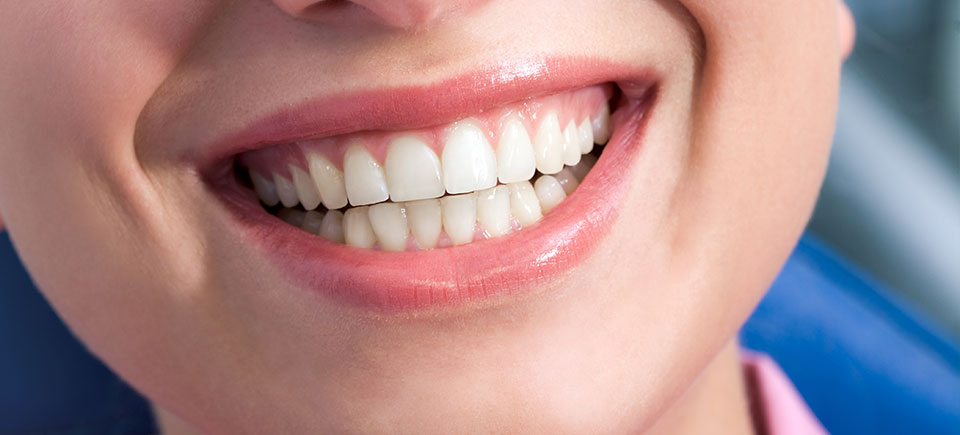
Why Gum Contouring Is Medically Recommended
Although often requested for smile improvement, gum contouring also serves several important medical purposes.
Correcting Excess Gum Tissue
Some people naturally have more gum tissue than average, which can partially cover the visible tooth surface. This condition, often called a gummy smile, may also create pockets where bacteria collect easily.
Removing excess gum tissue helps:
Expose more of the tooth surface
Reduce bacterial buildup
Improve access for brushing and flossing
Lower the risk of plaque accumulation
When gums are too thick or uneven, proper oral cleaning becomes difficult, which can eventually lead to inflammation.
Supporting Periodontal Health
One of the major medical reasons for gum contouring is periodontal care. When gum disease affects the tissue surrounding teeth, damaged areas may create irregular gum margins.
Reshaping the gums can help dentists manage these areas by:
Eliminating pockets where bacteria remain trapped
Making deep cleaning procedures more effective
Supporting healing after periodontal treatment
In many cases, gum contouring is included after gum disease treatment to create a healthier environment for long-term maintenance.
Improving Tooth Proportions for Functional Reasons
Teeth that appear too short because of excessive gum coverage may not only affect appearance but also interfere with bite balance.
A proper gum line allows better visibility of tooth structure, which may be necessary for:
Dental crowns
Veneers
Orthodontic adjustments
Restorative procedures
This is why Gum contouring Dubai is sometimes recommended before other dental treatments begin.
Helping With Crown Lengthening Procedures
Crown lengthening is a medically important form of gum contouring where gum tissue is adjusted to expose more tooth structure.
This may be needed when:
A tooth is broken near the gum line
A cavity extends below the gum margin
A restoration requires more visible tooth surface
Without enough exposed tooth structure, certain dental restorations may not fit securely. Gum contouring helps create the proper foundation.
Managing Uneven Gum Lines
An uneven gum line can sometimes indicate tissue irregularities that affect oral function.
For example, one side of the mouth may have higher gum coverage than the other, causing:
Uneven tooth exposure
Difficulty cleaning certain areas
Imbalanced bite appearance
Correcting this helps create symmetry while also improving access for oral hygiene.
Can Gum Contouring Help With Gum Recession?
In some cases, gum contouring may also involve reshaping surrounding tissue when mild recession has affected the gum line.
Although severe recession usually requires grafting procedures, contour adjustments may help smooth uneven edges and support better tissue adaptation.
This is useful when recession creates areas that trap food or plaque.
Benefits Beyond Appearance
While the visual improvement is often noticeable, the medical advantages are equally significant.
Key Functional Benefits Include:
Easier brushing and flossing
Reduced bacterial retention
Improved gum tissue balance
Better support for restorative dentistry
Healthier periodontal maintenance
For many patients, the biggest long-term benefit is easier oral hygiene after healing.
Who May Need Gum Contouring?
A dental evaluation usually determines whether gum contouring is medically appropriate.
It may be recommended for people who have:
Excess gum tissue
Irregular gum margins
Gum overgrowth caused by medication
Healing changes after periodontal treatment
Teeth hidden by soft tissue
Some people seek the treatment because they notice their gums look uneven, while others are advised to have it before restorative work.
Is the Procedure Permanent?
Gum contouring usually provides lasting results, especially when excess tissue is removed carefully and oral hygiene is maintained properly.
However, long-term stability depends on:
Good brushing habits
Regular dental checkups
Managing gum disease early
Avoiding plaque buildup
If gum inflammation returns, tissue changes may also occur again over time.
Recovery and Healing Process
Healing after gum contouring is usually manageable when patients follow dental aftercare instructions carefully.
Common short-term effects may include:
Mild tenderness
Temporary sensitivity
Slight swelling
Most people return to normal daily activities quickly, though complete tissue settling may take longer depending on the method used.
Soft foods and gentle oral care are often advised during early healing.
Why Gum Health Matters Before Cosmetic Treatments
Many cosmetic dental procedures work best when gum tissues are healthy and balanced first.
Before treatments such as veneers or smile design, dentists often assess the gum line because uneven tissue can affect final results.
This is why Gum contouring Dubai is frequently considered part of comprehensive smile planning rather than an isolated treatment.
Final Thoughts
The medical purpose of gum contouring is closely tied to improving oral health, supporting restorative dentistry, and creating conditions that make daily hygiene easier. Although many people first notice the cosmetic benefits, the deeper value lies in how the treatment protects gum tissue and helps maintain long-term dental stability.
When gum shape interferes with cleaning, covers too much tooth structure, or affects restorative work, gum contouring becomes an important dental solution rather than simply a cosmetic choice.


Comments