


The Truth About the Best Hair Transplant: Results, Risks, and Reality
- Taimoor Tahir
- May 6
- 4 min read

Hair loss is more than a cosmetic concern—it can impact confidence, self-image, and even social interactions. With advancements in modern techniques, many people are searching for the best hair transplant in dubai as a solution that promises natural, lasting results. But behind the glossy before-and-after photos lies a more nuanced reality. Understanding what hair transplants truly offer—and what they don’t—is essential before making a decision.
Understanding Hair Transplants: What Really Happens?
A hair transplant is a procedure that moves hair follicles from one part of the body (usually the back or sides of the scalp) to areas experiencing thinning or baldness. These transplanted follicles are genetically resistant to hair loss, which is why they continue to grow in their new location.
How the Process Works
There are two commonly used methods:
Follicular Unit Extraction (FUE)
This involves extracting individual hair follicles and implanting them into the recipient area. It leaves minimal scarring and offers a faster recovery.
Follicular Unit Transplantation (FUT)
This technique removes a strip of scalp from the donor area, from which hair follicles are then extracted and transplanted. It may result in a linear scar but can be suitable for those needing a large number of grafts.
Both methods aim to replicate natural hair growth patterns, but the final outcome depends on several factors, including hair density, scalp condition, and overall health.
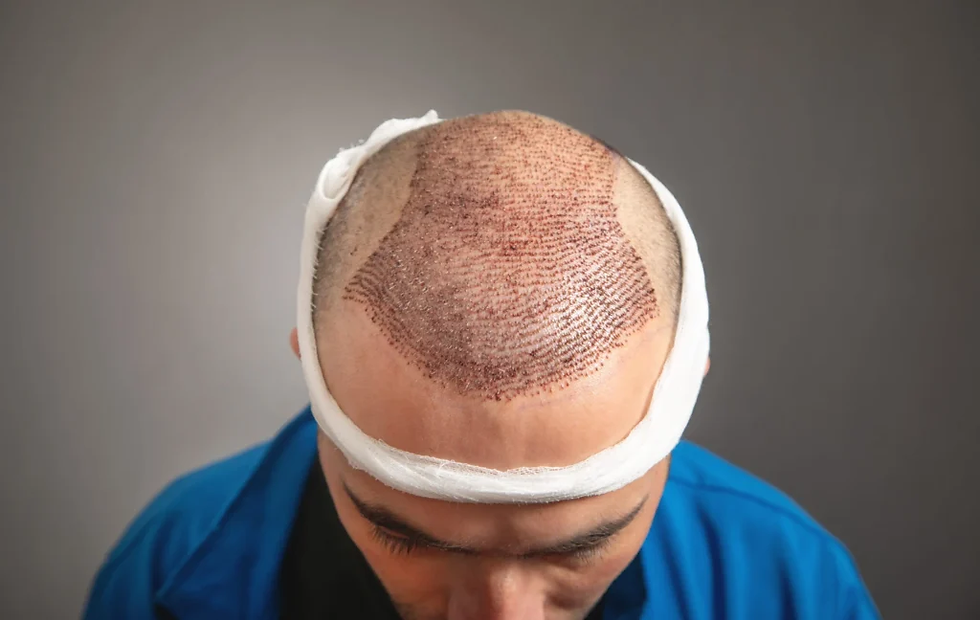
The Reality of Results: What You Can Expect
Many people assume that a hair transplant delivers instant, dramatic results. In reality, the journey requires patience.
The Growth Timeline
First Few Weeks: Transplanted hair may fall out—this is completely normal and part of the process.
3 to 4 Months: New hair begins to grow gradually.
6 to 9 Months: Noticeable improvement in density and coverage.
12 Months or More: Full results become visible.
Hair growth after a transplant is not immediate, and density may not match natural hair completely. While the results can be impressive, they are often more subtle and natural-looking rather than dramatically thick.
Natural vs Unrealistic Expectations
A key truth is that hair transplants redistribute existing hair rather than creating new follicles. This means individuals with limited donor hair may not achieve high-density results. Managing expectations is crucial to satisfaction.
Risks and Side Effects: What You Should Know
Like any medical procedure, hair transplants come with potential risks. While most are minor and temporary, they should not be overlooked.
Common Side Effects
Swelling around the forehead and scalp
Redness and mild discomfort
Temporary numbness in treated areas
Scabbing during the healing phase
These effects usually subside within a few days to weeks.
Potential Complications
Though rare, some individuals may experience:
Infection
Improper aftercare or hygiene can lead to infection, though it is uncommon with proper protocols.
Shock Loss
Existing hair near the transplant site may temporarily fall out due to trauma but typically regrows over time.
Uneven Growth
Hair may grow at different rates or directions, requiring additional sessions or adjustments.
Understanding these risks helps individuals make informed decisions and prepares them for the recovery process.
The Emotional Side: Confidence vs Reality
Hair transplants are often marketed as life-changing procedures, and for many, they do improve self-esteem. However, the psychological aspect is just as important as the physical outcome.
Confidence Boost—But Not a Cure-All
While restoring hair can enhance appearance, it does not automatically resolve deeper self-confidence issues. People expecting a complete transformation in their personal or professional life may feel disappointed.
The Importance of Realistic Goals
A successful outcome is not about perfection—it’s about improvement. Those who approach the procedure with realistic expectations tend to be far more satisfied with their results.
Maintenance After the Procedure
A common misconception is that hair transplants are a one-time, maintenance-free solution. In reality, ongoing care plays a significant role.
Post-Procedure Care
Avoid touching or scratching the scalp
Follow proper washing techniques
Protect the scalp from sun exposure
Use recommended hair care products
Long-Term Considerations
Hair loss can continue in non-transplanted areas. This means some individuals may require additional treatments in the future to maintain a balanced appearance.
Who Is the Ideal Candidate?
Not everyone experiencing hair loss is a suitable candidate for a transplant.
Best Candidates Typically:
Have stable hair loss patterns
Possess sufficient donor hair
Are in good overall health
Have realistic expectations
Less Suitable Candidates:
Individuals with extensive baldness and limited donor hair
Those with certain medical conditions affecting hair growth
People expecting instant or perfect results
A proper evaluation is essential to determine whether the procedure will be effective.
Myths vs Facts: Clearing the Confusion
Myth: Hair Transplants Look Fake
Fact: Modern techniques create natural-looking results when done correctly.
Myth: Results Are Immediate
Fact: Hair growth takes months, not days or weeks.
Myth: It Works for Everyone
Fact: Success depends on individual factors like donor hair and overall health.
Myth: No Maintenance Is Needed
Fact: Ongoing care and possible future treatments are often required.
The Bottom Line: Reality Over Hype
Hair transplants can be a powerful solution for hair loss, but they are not magic. They require time, patience, and realistic expectations. The results can be natural and long-lasting, but they depend heavily on individual factors and proper aftercare.
Instead of chasing perfection, the real goal should be improvement and confidence. By understanding the process, risks, and outcomes, individuals can make informed choices that align with their expectations.
In the end, the “best” hair transplant is not defined by location or trends—it’s defined by how well it meets your personal goals while staying grounded in reality.


Comments